AUTHOR: Muriëlle van Hagen
Two-year-old Whitney was abducted from her bed while she was sleeping. Nine-year-old Harry was snatched from his home, and 30-year-old Jenifer never returned from a bike ride. These are only three examples of people with albinism in Malawi who were later found murdered, with parts of their bodies cut off. This is both a sad and alarming reality, as they are far from the only ones. Many people with albinism continue to face discrimination, abuse, abduction, and even death. In Malawi, as in other African countries, people with albinism still live in constant fear and danger.
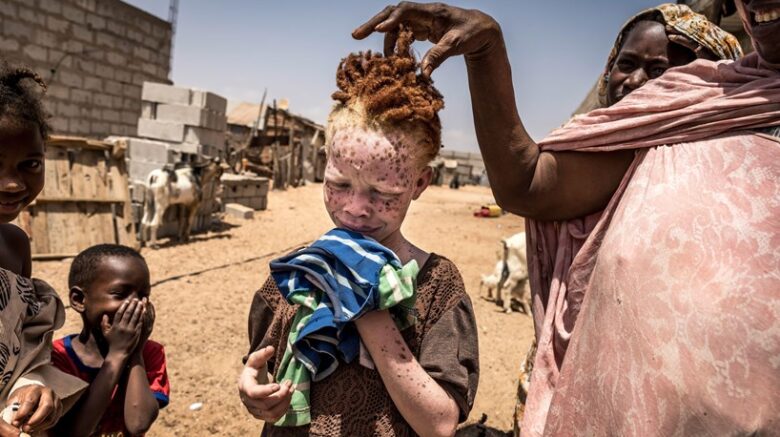
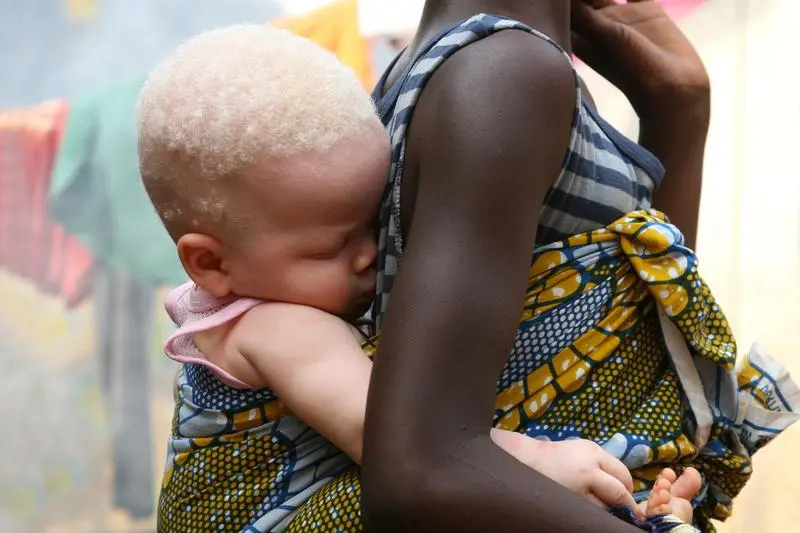
In Malawi, about 1 in every 1,800 people has albinism—a much higher rate than the average across Africa, which is already higher than in North America and Europe. Albinism is a rare genetic condition that a person is born with. It is caused by the absence of an enzyme needed to produce melanin—the pigment that gives colour to the skin, hair, and eyes. People with albinism have very light skin, hair, and eye colour, and they often have vision problems. The lack of skin pigment also makes them more vulnerable to sunburn and skin cancer.
People with albinism in Malawi face multiple forms of discrimination, which go beyond just physical challenges. They are often denied basic public services, verbally abused, and discriminated against in the education system. Women and children with albinism are especially at risk, sometimes even targeted by their own family members.
Sadly, the danger does not stop there. In some communities, people believe that having sex with a person with albinism can cure HIV, that they are ghosts, or that they have been punished by God for disloyalty. Others believe that the body parts of people with albinism hold magical powers, bring wealth, or even contain gold. These beliefs lead to people—and even organised criminal gangs—hunting and killing them for their body parts or digging up graves to retrieve the remains of people with albinism.
These harmful beliefs are not only present in Malawi, but also widespread in neighbouring countries, fuelling cross-border trafficking and increasing the risk of violence. On top of this, many people with albinism die from preventable skin cancer simply because they lack access to sunscreen and basic information about their condition.
Unfortunately, many of these horrific crimes remain unresolved and unpunished. Compared to other criminal cases, investigations into crimes against people with albinism face severe delays. This is partly due to a lack of financial and transportation resources, as well as a shortage of qualified personnel equipped to handle such cases.
Police officers often lack the necessary training and knowledge of the relevant laws. As a result, they are frequently ill-prepared to investigate these serious human rights abuses. In some instances, officers themselves hold the same harmful beliefs that fuel these crimes, which leads to a lack of urgency and seriousness in responding to them. While some arrests have been made, there are serious concerns about the quality of investigations and the fact that sentences often do not reflect the gravity of the offences.
To make matters worse, many cases are never reported – especially in rural areas. This widespread underreporting means that official data significantly underestimates the true scale of violence against people with albinism.
A while ago, the police started distributing alarm devices to individuals with albinism. When activated, the device emits a loud sound to alert others nearby who can come to their rescue in a dangerous situation. This was a small but important step forward.
However, much more needs to be done. Raising awareness and educating the public about albinism and human rights is essential to addressing the root causes of these crimes. At the same time, it is crucial to trace and identify the sources of demand for body parts and to involve Malawi’s neighbouring countries.
It is time for the government of Malawi – and the public – to stand up for the human rights of people with albinism. They are not a product to be sold. They are real people who deserve the chance to live safe, fulfilling, and long lives.
Sources:
https://www.amnesty.nl/encyclopedie/albinisme
https://www.amnesty.org.uk/ritual-murders-people-albinism-malawi
Source pictures: