Islamophobia in the name of secularism: France’s request to ban headscarves in sports

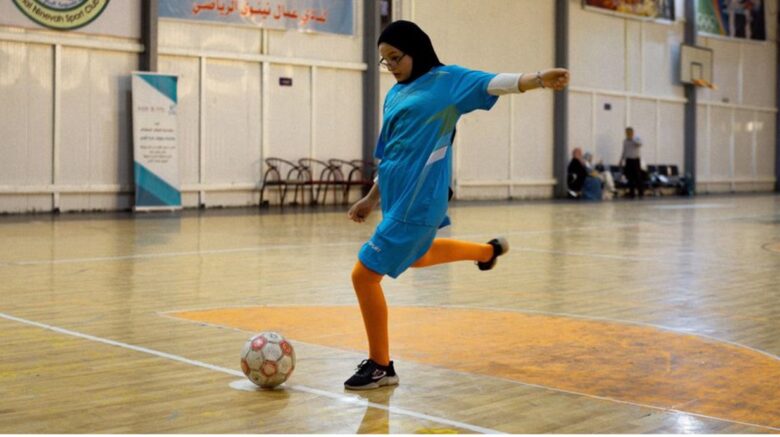
AUTHOR: Jessica Giovanella  February 2025. France proposes a bill to ban all ‘ostensibly religious’ clothing and symbols during competition. France already sparked controversy around the hijab before the Paris Olympics of 2024 when it refused that women athletes participate with a hijab. The Olympic games were supposed to be the first Gender equal Olympics, but instead discriminated against Muslim women. …

Iran’s Never-Ending Fight for Women’s Rights

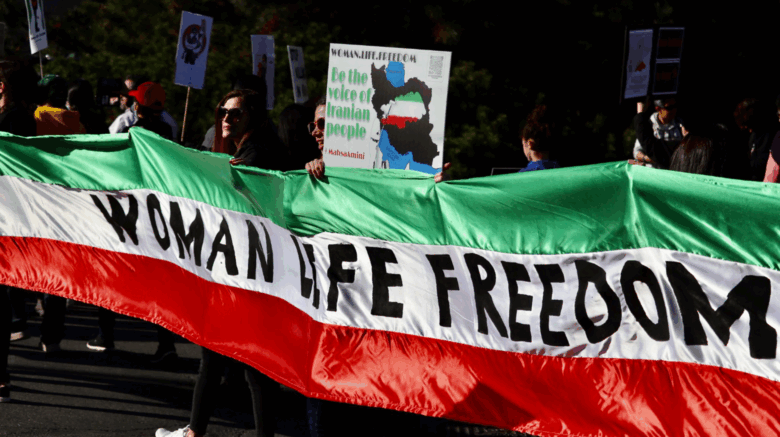
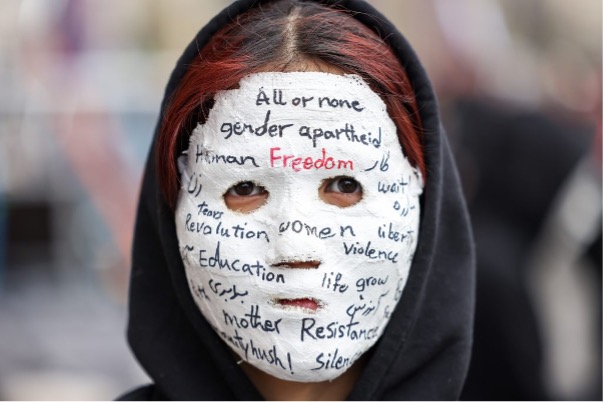
AUTHOR: Inês Alves Tomé For over 40 years, Iran has been suffering from gender apartheid. During this time, the Iranian government has been implementing a regime in which some parts of the population, in particular women, are discriminated against and extremely excluded from participating in normal society. Unfortunately, this discrimination which Iranian women face on a daily basis is still widely …

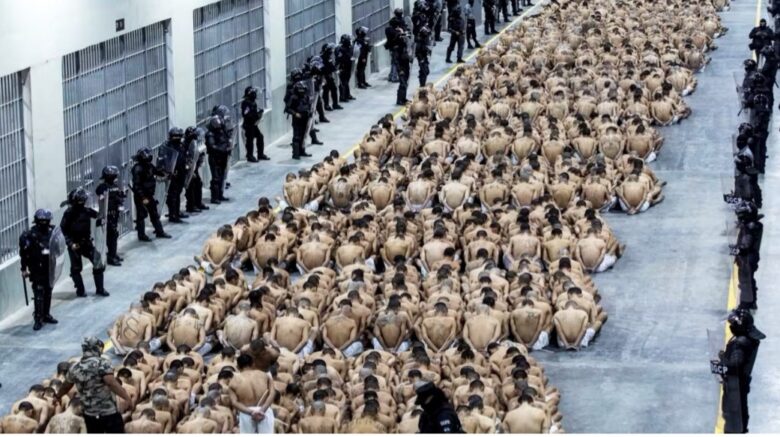
El Salvador’s Fight Against Gang Violence: Safety Secured or Human Rights Sacrificed?

AUTHOR: Muriëlle van Hagen With 103 homicides per 100,000 inhabitants — 6,369 in total — El Salvador was, in 2015, and had been for many years, one of the most violent countries in the world. The roots of this violence trace back to the civil war between 1980 and 1992, during which more than 75,000 people were tortured, extrajudicially executed, …

Automation of Welfare Systems: The downsides of striving for efficiency

AUTHOR: Annika Kannen Summary: While automation promises to streamline processes and reduce fraud in welfare programs, it often introduces new barriers. Systems like the ones in Serbia, Denmark, and India rely on data aggregation and algorithms to determine eligibility, but they can be flawed, biased, and intrusive. Automation is often thought to be the answer to the inefficiencies of welfare …

Red-Tagged and at Risk: The Threat to Human Rights Defenders in the Philippines

AUTHOR: Antía Kornführer Romay The administrations of both the former President of the Philippines Rodrigo Duterte (2016-2022) and the current President Ferdinand (‘Bongbong’) Marcos Jr. (2022-present) have used digital platforms to spread misinformation and introduced vague anti-terror laws to target, discourage, and ultimately undermine the efforts of young human rights defenders in the Philippines. The main tactic behind the state-sponsored …

Hungary: Implications of the Hungarian Propaganda Law

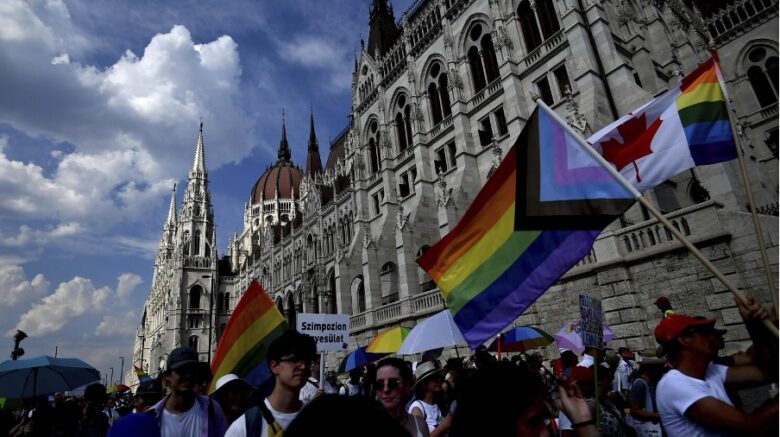
AUTHOR: Antía Kornführer Romay Three years ago, on the 15th of June 2021, the widely domestically and internationally criticised Propaganda Law was passed in Hungary. Three years of human rights violations. Background Since 2010, there has been a noticeable rise in the prevalence of discrimination against LGBTQIA+ individuals in Hungary, evident in both the rhetoric and laws endorsed by the …

Drugs as a Human Rights Issue

AUTHOR: Annika Kannen The UNODC World Drug Report in 2023 reported that in 2020, an estimated 585,000 people died from drug use worldwide. Still, drug users often have to overcome huge hurdles to access treatment, which in many cases are not available widely, many even being prohibited in several countries. The right to health includes access to science-backed treatments, which …

Saudi Arabia: The Amazon Branch and Exploitation

AUTHOR: Tanaaz Shahariyar The Kingdom of Saudi Arabia has a history of human rights violations. This has been documented over the years with several organizations calling out the country for its disparities in gender treatment, the horrific treatment to its workers, the brutal suppression of opposing political thought and curtailing freedom of expression among others. A mechanism which allows human …